
Atari Jaguar




Website Temporary Closed
Hello everyone. We are moving to a new, bigger premises so website ordering will be closed for the next month while we move everything to our new building, reorganise and do a full stock take. We will not be taking any orders or able to reply to any messages during this time.
We will be open again at the start of December.
Many thanks.
Console Passion
Buy Atari jaguar For Sale at Console Passion

Choose your weapon and brawl with the notorious warriors of the big screen! Commission the Colonial Marine and use your weapons and your wits to destroy the base - and survive. Be an alien and use your voracious instincts to defend the hive and rescue your Queen. Or play a Predator and use your grisly arsenal to acquire the ultimate trophy. the...
yes
yes

|
 The Official Atari Jaguar Composite Monitor Connector. Connect your Jaguar to any TV / Monitor with the appropriate connections.
yes
yes
|

The Atari Jaguar Video Computer System. The Atari Jaguar is the world's first 64-bit home console video game. Developed after years of research, the Jaguar offers high-speed action, CD-quality sound, and polygon graphics processing beyond any other machine available. This console comes boxed with controller, base unit, power supply, RF lead...
Box is a little tatty
yes
yes
|

The Atari Jaguar Video Computer System. The Atari Jaguar is the world's first 64-bit home console video game. Developed after years of research, the Jaguar offers high-speed action, CD-quality sound, and polygon graphics processing beyond any other machine available. This console comes unboxed with controller, base unit, power supply &...
Includes RGB Scart Lead
no
no
|

The Official Atari Jaguar Controller - boxed. This is an official replacement for the controller that comes packaged with the Atari Jaguar console. This item is boxed and in good working order.
yes
yes
|
 The Official Atari Jaguar Controller. This is an official replacement for the controller that comes packaged with the Atari Jaguar console. This item is loose and in good working order.
no
no
|
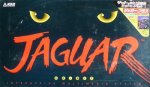 The Atari Jaguar Video Computer System. The Atari Jaguar is the world's first 64-bit home console video game. Developed after years of research, the Jaguar offers high-speed action, CD-quality sound, and polygon graphics processing beyond any other machine available. This is a very rare Japanese console. It plays all PAL and US games and works on...
yes
yes
|
 Detailed and easy-to-read chapters make finding the answers to all your Jaguar gaming questions a breeze. Complete walkthroughs for a variety of Jaguar games. Crammed with tips, stategies, techniques and maps. Hundreds of extra-large screen shots complete with informative (and occasionally humorous) captions. Interviews with Jaguar designers and...
yes
yes
|
 The official RF Leads for the Atari Jaguar. Used to connect your Atari Jaguar to your TV's RF port. This item is fully tested and comes boxed and with instructions.
yes
yes
|
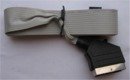
Atari Jaguar Scart Lead. This cable outputs full stereo sound to your TV instead of Mono, and gives improved picture quality as there is no interference and the TV set does not need tuning in! This item is unboxed and in good working order.
no
no
|
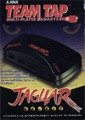 The Official Atari Jaguar Controller. The team-tap is an absolute must for anyone with a group of friends who also love retro gaming. You can connect an extra four controllers to your joystick port, allowing team play on certain games. This item comes boxed with it's instructions
yes
yes
|
 An unbranded but brand new RF lead that will substitute the one that came with your console. Connects your machine to the TV - an ideal replacement if the original one that came with your console is lost or faulty. Length is one metre. This item is fully tested and is brand new.
no
no
£6
|
 A go-cart free for all! In Atari Karts you'll race around the track with some of the craziest creatures around. Watch out for the objects lying on the road. Some are bonuses that will help you get ahead, but those hazards can be nasty. They'll cause you to slow down or mess with your driving controls. Try to outdistance your competition and finish...
yes
yes
|

Wade in and kick some Penguin butt! In the distant galaxy of Bleurggh, an evil (but reasonably stupid) band of aliens picked up some of Earth's television signals. Unfortunately for them, they could only tune in a wildlife program. They figured the Earth would be a pushover to invade, so they disguised themselves as it's inhabitants -...
yes
yes
|
 SMASH! POW! CRUNCH! Is your handeye coordination up to demolishing field after field of bricks? Breakout 2000 brings back the nostalgia of early gaming days but adds 90's challenges, such as a three-dimensional field and bricks that resist break.
yes
yes
|
 Do you like action but reckon that chainsaw massacres are for grannies tea parties? If you do then Brutal Sports Football is for you, league, knockout or unfriendly tournaments. Football with a new set of rules - No Rules!
yes
yes
|

Bubsy to the rescue! Only Bubsy can protect the world's kids from these silly stories and tangled up tales as he leaps and bounds his way through fifteen frantic chapters of fabulous furry fun. In Fairytale land, Bubsy attends a twisted tea party, climbs a giant beanstalk, voyages under the sea (without getting his paws wet), heads to Ali...
yes
yes
|

Don't wait 'til you see the whites of their eyes. don't kid yourself it will be over by Christmas. don't try to shut out the screams. and don't forget to wash your hands afterwards. Cannon Fodder - war has never been so much fun!
yes
yes
|
 Get ready to burn rubber! Race for the Checkered Flag behind the wheel of a turbo powered speedway racer in real-time, 3D rendered action. Choose from 10 high performance tracks and see the speedway from 6 distinct views. Alter features and attributes on your racer to improve your times or even change the weather conditions. Action so intense and...
yes
yes
|
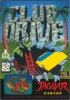 Sure, you've always wanted to blaze down the streets of San Francisco in a souped-up hot rod, just like in those action movies. But have you ever wanted to scramble across the living room floor playing tag in a miniature racing car with a buddy?
yes
yes
|

To counter the numerical superiority of the Pernitia Empire and win the war, the Federation perfects "living steel" weapons, quickly shipping them to the besieged front. Unfortunately, a Pernitian raid has stolen the security pods, and only their recovery can stop the fall of the Federation. Operation Cybermorph is activated; you must...
yes
yes
|

You whomped the aliens from the Alpha Proximian Empire in classic Defender and sent them home to cry. Now they want the planets that Earth is mining for desperately needed, life-sustaining minerals. Your job is to protect the space miners as they perform their vital work. The aliens will try to capture them and use their life-energy to turn...
yes
yes
|
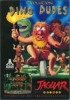
As the proud leader of the Dino Dudes, it's up to you to lead your hairy band of Cro-Magnons to the top of the food chain. Discover fire, weapons, The Wheel. battle dinosaurs and rival tribesmen. and do everything you can to survive - so your kids and someday invent cool stuff like malls, video games and of course, the bacon double-...
yes
yes
|

From the outside of the base you hear the carnage: guns firing, men screaming, bones cracking. then silence. Suddenly you're the last surviving marine thrust into a bloody, gore-ridden underworld fifty million miles into the future. It's Doom to the 64th power with 16-bit true colour, advanced lighting effects. and some new parts of Hell...
yes
yes
|
 Twelve big, lightening fast characters, four to six special moves for each fighter, set your own strength, defence, etc. Three different fighting modes, secret moves and codes, customisable controls, unique final moves, one hundred and thirty sound effects, hot rock music tracks.
yes
yes
|
 The spirit of marital arts master Bruce Lee lives on in dragon: a dangerously life-like combat simulation game based on his bibliographical film. Apply discipline and a devastating array of age-old fighting techniques to subdue opponents more cunning than the real Bruce Lee ever faced. unite your spiritual and physical strength to confront The...
yes
yes
|







Log on
Facebook Log on
One-click login with your Facebook account

 Save time Save time | |
| One-click login |
x
Just In!
|
- Atari Jaguar (PAL)

The Iron Soldier, or I.S., is a forty-two foot tall piloted robot that has been stolen from the Iron Fist Corporation by a bunch of rebels. they want you to pilot it. Arm yourself with a giant Assault Rifle, Oil-drum sized Hand Grenades, or other...
|