
Atari Lynx




Website Temporary Closed
Hello everyone. We are moving to a new, bigger premises so website ordering will be closed for the next month while we move everything to our new building, reorganise and do a full stock take. We will not be taking any orders or able to reply to any messages during this time.
We will be open again at the start of December.
Many thanks.
Console Passion
Buy Atari lynx For Sale at Console Passion
 In this real arcade game you and Officer Bob must search out and collar the perps who've engaged in such heinous criminal activities as littering, speeding, and assorted other forms of misconduct too despicable to mention! But while you're out there, patrolling the streets in Officer Bob's police car, don't forget to refuel! Stop in at your...
yes
yes

|

The Atari Lynx Video Computer System. The Atari Lynx was the world's first hand-held colour video game system, offering true multi-player competition, built-in 3D and distortion graphic effects, reversible controls, and fast arcade action. This console comes boxed, has been tested and works fine.
The box is missing its inner packaging. This console also includes a link cable.
yes
yes
|

The Atari Lynx 2 Video Computer System. The Atari Lynx was the world's first hand-held colour video game system, offering true multi-player competition, built-in 3D and distortion graphic effects, reversible controls, and fast arcade action. This console comes loose without instructions. This is the second generation of Lynx consoles. The...
no
no
|
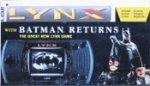
The Atari Lynx Video Computer System. The Atari Lynx was the world's first hand-held colour video game system, offering true multi-player competition, built-in 3D and distortion graphic effects, reversible controls, and fast arcade action. This console comes boxed with instructions. This console comes packaged with Batman game. This is the...
yes
yes
|
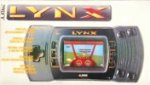
The Atari Lynx 2 Video Computer System. The Atari Lynx was the world's first hand-held colour video game system, offering true multi-player competition, built-in 3D and distortion graphic effects, reversible controls, and fast arcade action. This console comes boxed with instructions. This is the second generation of Lynx consoles. The...
yes
yes
|

The Atari Lynx 2 Video Computer System. The Atari Lynx was the world's first hand-held colour video game system, offering true multi-player competition, built-in 3D and distortion graphic effects, reversible controls, and fast arcade action. This console has had the screen replaced with a brand new McWill LCD Screen. This dramatically...
no
no
|
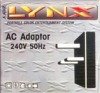 The Atari Lynx AC Adapter. We all know that one of the criticisms with the handheld consoles is the battery life (or lack of it!). Thankfully, there is an AC adapter which means that no longer do you have to worry about the batteries failing just as you are about to finish your favourite game! This item is boxed and in good working order.
yes
yes
|
 The Atari Lynx Battery Pack. This unit can be recharged and allows extended game play while on the move. This item comes boxed, has been tested and works fine.
yes
yes
£15
|
|
We all know that one of the criticisms with the Atari Lynx is the battery life (or lack of it!). Well to save you a fortune on batteries Atari designed this nifty little battery back which can be used instead of normal batteries. Requires a Atari Lynx Supply to charge the pack - we can supply one - they are in the Atari Lynx Hardware section. This...
yes
yes
£15
|
 The Atari Lynx Battery Pack. This unit can be recharged and allows extended game play while on the move. This item comes unboxed, has been tested and and comes with the shoulder strap.
no
no
|
 The Atari Lynx Official Carry Case. Hard Wearing fabric carry case to protect your Atari Lynx when it's not in use. Has the official Atari Lynx Logo sewn onto the cover. This item is unboxed.
no
no
|
 The Atari Lynx Comlynx Cable. Used for connecting together two Atari Lynx consoles for head to head battles in compatible games. Very hard to find - especially boxed! This item is boxed and in good working order.
yes
yes
|
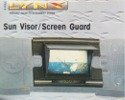 The Atari Lynx Sun Visor. Says it all really - an official little add on that clips to your Atari Lynx and protects your screen from the sun, so you can play your console outdoors in the glorious sunny weather! This item is boxed and in good working order
yes
yes
|
 You are on the eighteenth tee, one stroke behind the defending champion. Do you take your Caddy's advice and play it safe, or do you risk the water? Awesome Golf provides great realism and challenge for one to four players
yes
yes
|

Vinnie and Slash are bleeding from knife wounds and the ref is out cold! No wonder the gang members nicknamed this game "Basketbrawl." To them it's not a game - it's a street fight!
This game is brand new and sealed
yes
yes
|
 Gotham City is in desperate trouble again. Catwoman and the penguin have joined forces to terrorize the entire metropolis! Only you can help Batman foil their deadly scheme and save the city from their fiendish clutches.
yes
yes
|
 In the year 2019, Humankind turned to more and more dangerous games for it's entertainment. Fight in high-tech cars armed with missiles, machine guns, flame-throwers, and more through dead cities and desert wastelands; a sixteen arena battle-royal! Fight as a team or go in sole! Custom build your car, or buy one from the Bodyshop. You can even go...
yes
yes
|

Bill and Ted are about to embark on their most excellent adventure through time & space. those two beautiful babes from Medievil England, Joanna and Elizabeth, have been kidnapped by the most heinous Grim Reaper. Bill & Ted must use the circuits of time to find the princesses. Will they be most triumphant? Only you can help!
This game is brand new and sealed
yes
yes
|
 Get ready to shred the face off an awesomely tubular wave. Turn a "berm" on a BMX bike and spray up a wall of dirt. Launch a few feet off-the-lip with your skateboard tucked high. And while you're up there, dance on the crowd. Or if you're feeling like kicking back a bit, float a flying disk, juggle a foot bag with your heels, or just slalom the...
yes
yes
|

Before Chip can join the Bit Busters computer club and hang out with the girl of his dreams, Melinda the Mental Marvel, he must solve all 144 challenging puzzles. You bird's eye view can help Chip rush through the puzzles and mazes before he's deleted by monsters, traps, and the passage of time. Show Chip how to use blocks of soil to...
This game is brand new and sealed
yes
yes
£14
|

Great treasure still lies deep in the abandoned Crystal Mines. But over the years, underground demons have made them deadly. Guide your robot through the mines, destroying demons and gathering great wealth. Or fail, and become history.
yes
yes
|
 The criminal brain has kidnapped the presidents daughter and threatens to kill her if he does not get control of the world. Only you, Electrocop can invade the Steel Complex where evil robots and dangerous traps protect the criminal brain. The odds are against you. Your only hope is to find the weapons and terminals hidden in the mazes of the...
yes
yes
|
 European Soccer Challenge gives you all the excitement and tension of the European Challenge Cup in this action packed version of the world's most popular game featuring over 170 teams from 32 countries. Has your team got what it takes?
yes
yes
|

The hideous spider Zendocon captured you and sent you deep into its web of 51 deadly universes. You must survive each universe and its hostile alien inhabitants if you hope to return home. You will find allies along the way. If you can free Zendocon's alien slaves, they will help you search for the Gates that will transport you from one...
This game is brand new and sealed
yes
yes
|
 Generations ago an enchanted Star Gem crashed to Earth at the base of an ancient castle. Loathsome creatures crept from the castle and carried the Gem into the depths of the fortress. All attempts to retrieve the Star Gem failed. The adventurers were destroyed. The creatures in the castle gain magical strength from the Star Gem. Unless the Gem is...
yes
yes
|
 Make sure you're strapped in tight because Hard Drivin' means just that! Can you beat the clock on the hottest track going? Can you handle jumps, loops, and other stunts and still survive? Can you keep your speed at max without crashing? Yeah? Ok, but, can you take the title away from the Phantom Photon, the Hard Drivin' world's champion?
yes
yes
|







Log on
Facebook Log on
One-click login with your Facebook account

 Save time Save time | |
| One-click login |
x
Just In!
|
- Atari Lynx (PAL)

Before Chip can join the Bit Busters computer club and hang out with the girl of his dreams, Melinda the Mental Marvel, he must solve all 144 challenging puzzles. You bird's eye view can help Chip rush through the puzzles and mazes before he...
|