
PC Engine CD


Website Temporary Closed
Hello everyone. We are moving to a new, bigger premises so website ordering will be closed for the next month while we move everything to our new building, reorganise and do a full stock take. We will not be taking any orders or able to reply to any messages during this time.
We will be open again at the start of December.
Many thanks.
Console Passion
Buy Pc engine cd For Sale at Console Passion
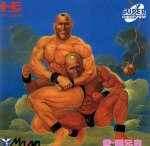 This is a Japanese PC Engine Super CD game. It should work on any PC Engine CD or Turbo Grafx CD machine equipped with the appropriate Super System Card.
yes
yes

|
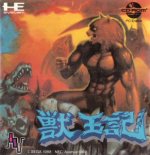 This is a Japanese PC Engine CD game. It should work on any PC Engine CD or Turbo Grafx CD machine.
yes
yes
|
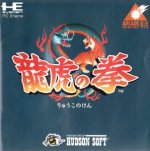
This is a Japanese PC Engine Arcade CD game. It should work on any PC Engine CD or Turbo Grafx CD machine equipped with the appropriate Arcade Card.
yes
yes
|
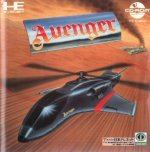 This is a Japanese PC Engine CD game. It should work on any PC Engine CD or Turbo Grafx CD machine.
yes
yes
|
 This is a Japanese PC Engine CD game. It should work on any PC Engine CD or Turbo Grafx CD machine.
yes
yes
|
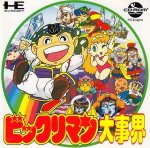 This is a Japanese PC Engine CD import that will only run on a Japanese console, or a modified Console.
yes
yes
|
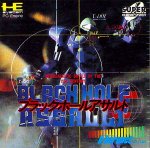 This is a Japanese PC Engine Super CD game. It should work on any PC Engine CD or Turbo Grafx CD machine equipped with the appropriate Super System Card.
yes
yes
|
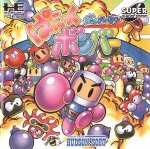
This is a Japanese PC Engine Super CD game. It should work on any PC Engine CD or Turbo Grafx CD machine equipped with the appropriate Super System Card.
yes
yes
|
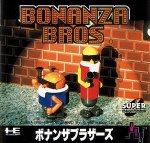
This is a Japanese PC Engine Super CD game. It should work on any PC Engine CD or Turbo Grafx CD machine equipped with the appropriate Super System Card.
yes
yes
£30
|
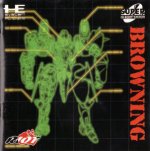 This is a Japanese PC Engine Super CD game. It should work on any PC Engine CD or Turbo Grafx CD machine equipped with the appropriate Super System Card.
yes
yes
|
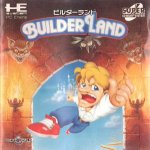 This is a Japanese PC Engine Super CD game. It should work on any PC Engine CD or Turbo Grafx CD machine equipped with the appropriate Super System Card.
yes
yes
|
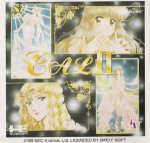 This is a Japanese PC Engine CD game. It should work on any PC Engine CD or Turbo Grafx CD machine.
yes
yes
£8
|
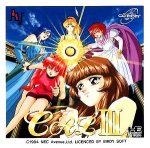 This is a Japanese PC Engine Super CD game. It should work on any PC Engine CD or Turbo Grafx CD machine equipped with the appropriate Super System Card.
yes
yes
|
 This is a Japanese PC Engine CD game. It should work on any PC Engine CD or Turbo Grafx CD machine.
yes
yes
|
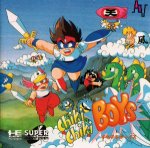 This is a Japanese PC Engine Super CD game. It should work on any PC Engine CD or Turbo Grafx CD machine equipped with the appropriate Super System Card.
yes
yes
|
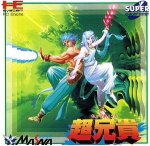 This is a Japanese PC Engine Super CD game. It should work on any PC Engine CD or Turbo Grafx CD machine equipped with the appropriate Super System Card.
yes
yes
|
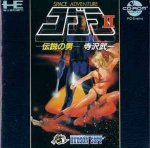 This is a Japanese PC Engine CD game. It should work on any PC Engine CD or Turbo Grafx CD machine.
yes
yes
£10
|
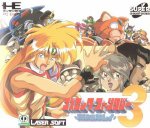 This is a Japanese PC Engine Super CD game. It should work on any PC Engine CD or Turbo Grafx CD machine equipped with the appropriate Super System Card.
yes
yes
£14
|
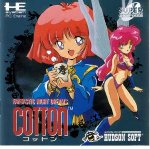 This is a Japanese PC Engine Super CD game. It should work on any PC Engine CD or Turbo Grafx CD machine equipped with the appropriate Super System Card.
This game is brand new and sealed
yes
yes
|
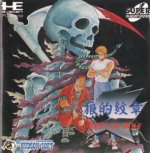
This is a Japanese PC Engine Super CD game. It should work on any PC Engine CD or Turbo Grafx CD machine equipped with the appropriate Super System Card.
This game comes with its spine card.
yes
yes
|
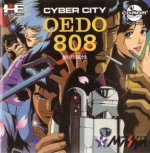 This is a Japanese PC Engine CD game. It should work on any PC Engine CD or Turbo Grafx CD machine.
yes
yes
£12
|
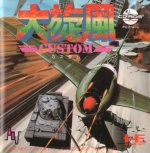
This is a Japanese PC Engine CD game. It should work on any PC Engine CD or Turbo Grafx CD machine.
yes
yes
|
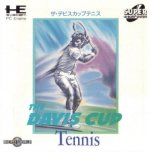
This is a Japanese PC Engine Super CD game. It should work on any PC Engine CD or Turbo Grafx CD machine equipped with the appropriate Super System Card.
yes
yes
£10
|
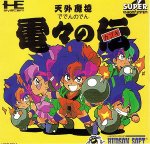
This is a Japanese PC Engine Super CD game. It should work on any PC Engine CD or Turbo Grafx CD machine equipped with the appropriate Super System Card.
Inside cover is a copy
yes
yes
|
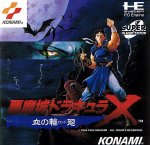 This is a Japanese PC Engine Super CD game. It should work on any PC Engine CD or Turbo Grafx CD machine equipped with the appropriate Super System Card.
yes
yes
|
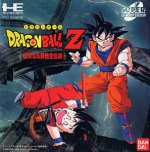 This is a Japanese PC Engine CD game. It should work on any PC Engine CD or Turbo Grafx CD machine.
yes
yes
|







Log on
Facebook Log on
One-click login with your Facebook account

 Save time Save time | |
| One-click login |
x
Just In!
|
- PC Engine CD (NTSC-J)
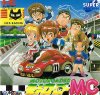 This is a Japanese PC Engine Super CD game. It should work on any PC Engine CD or Turbo Grafx CD machine equipped with the appropriate Super System Card.
|