
Sega Dreamcast





Website Temporary Closed
Hello everyone. We are moving to a new, bigger premises so website ordering will be closed for the next month while we move everything to our new building, reorganise and do a full stock take. We will not be taking any orders or able to reply to any messages during this time.
We will be open again at the start of December.
Many thanks.
Console Passion
Buy Sega dreamcast For Sale at Console Passion
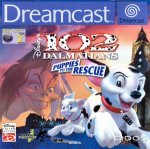
As Oddball or Domino, it's up to you to rescue your captured puppy friends from the evil clutches of Cruella De Vil and her army of pet napping toys! Sniff, dig and bark your way through twenty levels plus six fun mini games. Play along with characters from Disneys 102 Dalmatians including Lepelt, Waddleworth, Fluffy and more! Explore huge,...
yes
yes
Crystal Dynamics, Inc.

|
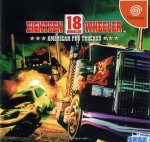
This is a Japanese imported Sega Dreamcast game and will only work on an imported console, a modified console or a console with an import adapter.
This game comes with its spine card
yes
yes
£18
|
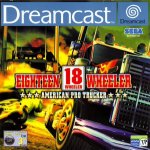
Eighteen Wheels, twenty tonnes of cargo, sixty feet of truck and ten thousand miles of highway! Fill up with diesel and climb aboard one of four big rigs as you haul your cargo from new York to San Francisco in a no holds barred driving battle against rival truckers and the clock. Featuring arcade, parking challenge, score attack and versus mode...
yes
yes
Sega
|
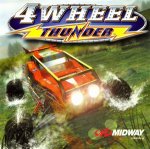
Four Wheel Thunder is THE premier all terrain racing game! Over sixty Hard Core off-road vehicles to choose from including special bonus vehicles! Twenty-Four incredibly detailed tracks, plus bonus tracks, packed with stunning visuals, shortcuts and realistic weather effects! Customise your earth eating machine by spending prize money on special...
yes
yes
Kalisto Entertainment
|
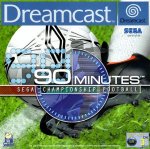 Incorporating state of the art visuals and animation which is so realistic, you'll be handing out the oranges at half time! There are over thirty-two National Teams and Club Teams from all the major leagues across Europe, so you can either challenge the World Championship of compete for title glory in a Domestic League Competition. Combine this...
yes
yes
Sega
|
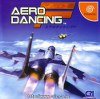 This is a Japanese imported Sega Dreamcast game and will only work on an imported console, a modified console or a console with an import adapter.
yes
yes
£14
|
This is a Japanese imported Sega Dreamcast game and will only work on an imported console, a modified console or a console with an import adapter.
This game comes with its spine card.
yes
yes
£14
|
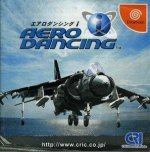 This is a Japanese imported Sega Dreamcast game and will only work on an imported console, a modified console or a console with an import adapter.
yes
yes
£12
|
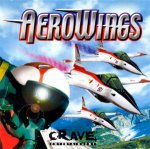 Enter the cockpit of ten different high technology jetfighters and discover astounding graphics and perfect control. Experience the art of flight acrobatics with over twenty different missions. Analyse and improve your manoeuvres and flight formations thanks to twelve different camera views.
yes
yes
CRI Middleware
|
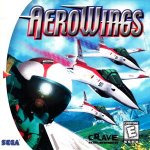 The only thing standing between you and reality is a piece of glass. Snaproll, flip, and spin through stunning, detailed landscapes. Fly in formation or go solo with fives modes of gameplay. Just try not to fog up the glass, okay?
yes
yes
|
 As an elite fighter pilot, you're in command of the swiftest and deadliest military jets available. Build and hone your skills to razor sharpness, then unleash them upon an unsuspecting foe in this ultimate test. Fifteen unique flight competition stages to put your training to the test. Choose from a variety of flight arenas, weather conditions...
yes
yes
CRI Middleware
|
 This is a Japanese imported Sega Dreamcast game and will only work on an imported console, a modified console or a console with an import adapter.
yes
yes
£14
|
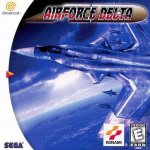 Ever been screaming along at Mach 2 and ordered to drop 6,000 pounds of bombs on a target no bigger than a Yugo? Or get that feeling of multiple bogeys closing in on your tail for a lock-on to blow you out of the sky? You've been contracted by a mercenary group to fuel-up, strap-in and snuff out the enemy. And to sweeten the pot in this "The more...
yes
yes
|
 This is a Japanese imported Sega Dreamcast game and will only work on an imported console, a modified console or a console with an import adapter.
This game comes with its spine card.
yes
yes
£10
|
 War is hell... a helluva lot of fun on the Dreamcast anyways. Take to a tank and help the human cause. Or pilot your very own alien mech and wipe out everything. Whatever the case, teamwork is essential.
This is an imported Dreamcast game and will not work on a PAL console unless it is modified.
yes
yes
|
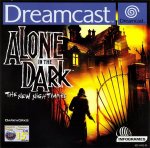 From the moment Edward Carnby and Aline Cedrac set foot on Shadow Island, they are confronted by mysterious evil creatures intent on thwarting their progress to recover three ancient tablets believed to hold the secret key to some incredible menacing phenomena. Fears threaten from every corner. The slightest shadow could be hiding deep secrets, or...
yes
yes
Atari
|
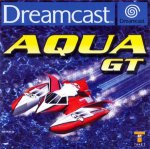 Aqua GT is a powerboat racing game. There are four classes of boats with different characteristics: you must master them all to become a true champ. Do you have what it takes to be a winner or will you be left drowning? Twenty different boats, all with unique features. Each track is based in real cities around the world. Take on your mates in two...
yes
yes
East Point Software LTD
|

Do you have what is takes to defeat the alien armada? Play simultaneously with up to four of your friends to blast the alien hordes in this action-RPG world. Us the VMU to score information about your newly acquired technology and skills. Invite your friends to bring their ships to come fight in your game, or just trade items that you have found.
This is an imported Dreamcast game and will not work on a PAL console unless it is modified.
yes
yes
|
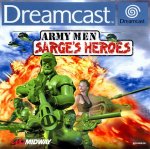 As Sarge you must rescue your trusted commandos from the clutches of the evil general Plastro. Enjoy tense commando action in one of fourteen different missions as Sarge rolls, dives and climbs through dangerous enemy environments. Good luck, soldier!
yes
yes
by 3DO
|
 This is a Japanese imported Sega Dreamcast game and will only work on an imported console, a modified console or a console with an import adapter.
yes
yes
£10
|
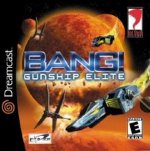 You've never experienced anything like Bang! Gunship Elite. Incredible rendering techniques, a real time 3D universe, expansive galaxies, aliens, asteroids, mammoth vessels, aggressive fighters and powerful weapons make this the action game your universe is clamouring for!
This is an imported Dreamcast game and will not work on a PAL console unless it is modified.
yes
yes
|
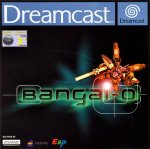
Join Riki and Mami Makishi as they pilot the most destructive force the galaxy has ever known - the giant robot Bangai-O against the force of a notorious crime syndicate. Utilize Bangai-O's devastating firepower to blast your way through 44 levels of non-stop hardcore arcade action filled with mind bending puzzles and titanic bosses. Just...
yes
yes
Treasure
|
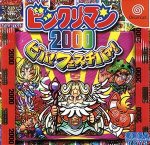 This is a Japanese imported Sega Dreamcast game and will only work on an imported console, a modified console or a console with an import adapter.
yes
yes
£16
|
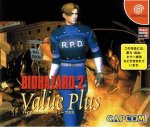
This is a Japanese imported Sega Dreamcast game and will only work on an imported console, a modified console or a console with an import adapter.
Brand new and Sealed
yes
yes
|
 This is a Japanese imported Sega Dreamcast game and will only work on an imported console, a modified console or a console with an import adapter.
yes
yes
|
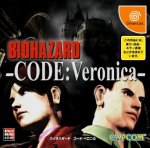
This is a Japanese imported Sega Dreamcast game and will only work on an imported console, a modified console or a console with an import adapter.
yes
yes
£15
|







Log on
Facebook Log on
One-click login with your Facebook account

 Save time Save time | |
| One-click login |
x
Just In!
|
- Sega Dreamcast (NTSC-J)
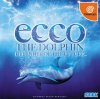 This is a Japanese imported Sega Dreamcast game and will only work on an imported console, a modified console or a console with an import adapter.
|