
Sega Mega CD





Website Temporary Closed
Hello everyone. We are moving to a new, bigger premises so website ordering will be closed for the next month while we move everything to our new building, reorganise and do a full stock take. We will not be taking any orders or able to reply to any messages during this time.
We will be open again at the start of December.
Many thanks.
Console Passion
Buy Sega mega cd For Sale at Console Passion
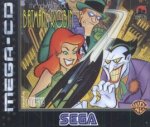
Have you ever dreamt of driving the Batmobile around downtown Gotham City and flying the Batplane through the night skies - well, here's your chance. Can Batman and Robin take an the deadly beauty of Poison Ivy or will The Joker have the last laugh? Their future and the fate of Gotham City is in your hands!
yes
yes

|
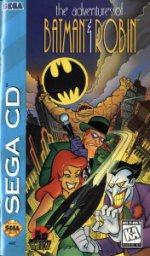 Robin and Commissioner Gordon have mysteriously disappeared, and Batman suspects kidnapping. Have our two comrades succumbed to the deadly beauty of Poison Ivy? Does the Riddler know the answer? Or will the Joker have the last laugh? Tune in on Sega CD to find out!
This is a US Sega CD game that will only work on a US console or Modified Sega Mega-CD
yes
yes
|
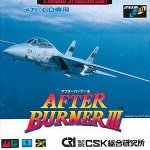 This is a Japanese Sega Mega-CD game that will only work on a Japanese console or Modified Sega Mega-CD
yes
yes
|
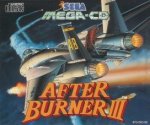
You're pressed back back into your seat as the afterburner kicks in - it's you against the enemy, but you have the flying edge - your F14 Tomcat.
yes
yes
|
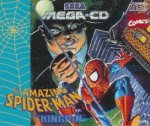
Spiderman scours New York city, hunting down the Kingpin's mob. Non-stop action, hordes of vicious criminals and all Spidey's dazzling moves!
yes
yes
|
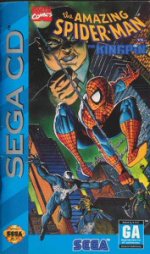 Enter a vicious web of danger and disaster! The Kingpin of Crime frames Spiderman for planning a bomb in New York and Spidey's only hope is to find the keys to the bomb's location before it explodes. Help Spiderman stick it to the Kingpin and his horde of vicious assassins along the way.
This is a US Sega CD game that will only work on a US console or Modified Sega Mega-CD
yes
yes
|
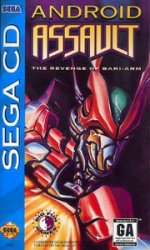 Launched by the alien planet Zias, an armada of androids has crushed the Earth's conventional space fleet. Desperate and defeated, The United Nations of Earth has no choice bit to counter attack with its own living flying machine Bari Arm.
This is a US Sega CD game that will only work on a US console or Modified Sega Mega-CD
yes
yes
|
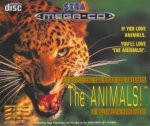 Breakthrough video-with-sound technology in The Animals! lets you see and hear over 200 exotic mammals, birds and reptiles in over 60 minutes of video clips. Using movies, sounds and stories you will experience the most complete information about our animal neighbours.
yes
yes
|
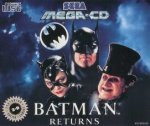
Blast through hostile traffic in the Batmobile™, race through the sewers on the Batskiboat™ or take on Gotham™ Cities hoodlums one on one! Batman Returns on the Mega CD!
yes
yes
|

Download your cyberformed body into the cockpit of your twin-legged, twin-cannoned, totally destructive war machine and blast your way through more than twenty 3D battle zones in this awesome action tactical shoot-em up!
yes
yes
|
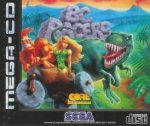 BC Racers - it's pre-hysterical! Cool N Crazy Cliff Ace is getting in some some quality time with his cave-babe Roxy as they speed N Smash their way on a dino-powered dirtbike through thirty-two howlin' heats in a madcap 3D cartoon race against a hardrock host of rocky racers!
yes
yes
|

The first part of this best-selling saga told of your titanic struggle for revenge against the Beast and his evil forces. Many years have now passed and the harrowing memory is fading in your mind. Yet the Beast has not rested. And now he has found the object of his desires.
yes
yes
|
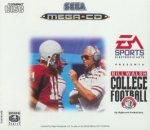 Over 500 megs of American Football - all the thrills of the college game with CD sound; See Walsh's expert advice in full motion video; CD-quality sound effects and music make the action live; Crowd reactions on every play in glorious CD stereo; Authentic CD-quality College songs and sports soundtracks complete the stadium atmosphere; Enhanced...
yes
yes
|

Your fighting skills are desperately needed to defeat the Akirov warbots that are invading the Earth's Solar System. Do not let Earth and its people down!
yes
yes
|
 This is a Japanese Sega Mega-CD game that will only work on a Japanese console or Modified Sega Mega-CD
yes
yes
£12
|
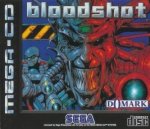 Superbly smooth 3D graphics and frantic one or two player split screen action as you run through an alien troop carrier containing a deadly cargo of pre-programmed killing machines. Your weapons include the surgically inserted "Battle Frenzy Chip" which gives you super strength, lightning reflexes and an insatiable desire to kill; a...
yes
yes
|
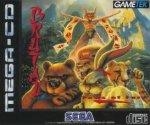 Across the world, invitations were delivered. Under the watchful eye of the great master Dali Llama, the worlds greatest martial artists would return to a place they knew well. Brutal Island. Each would use their own unique mental and physical martial arts style and training in a tournament to prove the worlds one true champion.
yes
yes
|
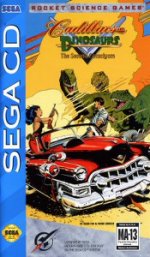
Welcome to a world gone mad. The Xenozoic age, a world 600 years in the future where dinosaurs of the past co-exist with men and women of the future in a desperate struggle for survival. Power your '53 Cadillac through 9 post apocalyptic levels of danger as Jack 'Cadillac' Tenrec and Hannah Dundee race through treacherous jungles...
This is a US Sega CD game that will only work on a US console or Modified Sega Mega-CD
yes
yes
|
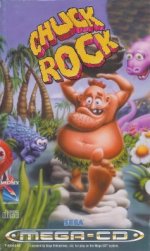 Guide Chuck Rock as he goes on a belly bashing, rock throwing frenzy to rescue his cave babe Ophelia from the hairy-palmed clutches of Gary Gritter. There's a whole world of prehistoric creatures to meet on the way, some of them helpful, but most of them downright aggressive, and the hardest 'hard rockin' soundtrack to appear on a game ever!
yes
yes
|
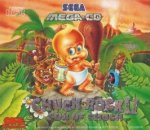 Eighteen months after his victory over Gary Gritter, Chuck Rock is now the owner of the hugely successful 'Chuck Motors' and has become a father. Kidnapped by his evil enemy Brick Jagger, Chuck Rock is likely to become Chuck Dust unless somebody rescues him. A sudden crash as Chuck Junior bursts from his play pen. "Goo Goo Gaa Gaa, I'll be...
yes
yes
|
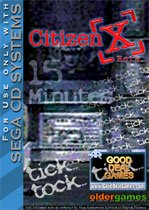 Our Worst Fears Have Come True! An elite terrorist organization lead by a madman has vowed to destroy the world as we know it. Saving the world might not have been in your weekend plans but things change. You are the only one left to take on a task which literally fell into your lap. A dying government agent begs you to continue her failed mission...
This is a US Sega CD game that will only work on a US console or Modified Sega Mega-CD
yes
yes
|
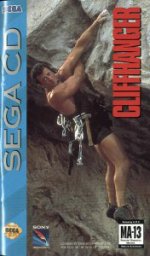 Cliffhanger challenges you to brave thundering avalanches, icy cliffs and the head spinning heights of the Rocky Mountains while combating a vicious group of well armed extremely dangerous fugitives. Based on the white knuckle action adventure moving starring Sylvester Stallone, you'll hang on for dear life through seven exciting levels requiring...
This is a US Sega CD game that will only work on a US console or Modified Sega Mega-CD
yes
yes
|
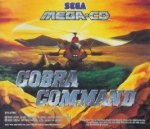
Two games on one Mega CD! In Sol Feace you must pilot a space fighter through the defence systems of the GCS-WT computer system that is ruling the Earth. In Cobra Command repression by the covert acts of a worldwide terrorist group have been routed by a powerful new helicopter, the LX-3FX. However, the terrorists are fighting back with a variety...
yes
yes
|
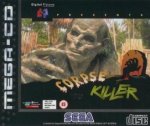 You're dying of voodoo poison, a mad genius is on your trail and hundreds of rotting dead are coming to chew your guts. Your only hope is to blow 'em away. But hey, how tough can it be? They're already dead! 100% real motion video. with hundreds of zombie targets. Plot your survival strategy, choose your battles.
This game requires the Justifier Light Gun
yes
yes
|
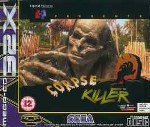
You're dying of voodoo poison, a mad genius is on your trail, and hundreds of rotting dead are coming to chew your guts. Your only hope is to blow them away. But hey, how tough can it be, they're already dead! Plot you're survival strategy, choose your battle.
This game requires both a 32X and a Sega Mega CD as well as a Justifier Light Gun.
yes
yes
|
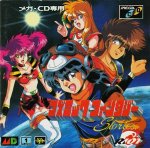 This is a Japanese Sega Saturn game that will only work on a Japanese console or Modified Sega Saturn
yes
yes
£10
|







Log on
Facebook Log on
One-click login with your Facebook account

 Save time Save time | |
| One-click login |
x
Just In!
|
- Sega Mega CD (NTSC-J)
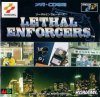 This is a Japanese Sega Mega-CD game that will only work on a Japanese console or Modified Sega Mega-CD
|