
Nintendo Virtual Boy




Website Temporary Closed
Hello everyone. We are moving to a new, bigger premises so website ordering will be closed for the next month while we move everything to our new building, reorganise and do a full stock take. We will not be taking any orders or able to reply to any messages during this time.
We will be open again at the start of December.
Many thanks.
Console Passion
Buy Nintendo virtual boy For Sale at Console Passion
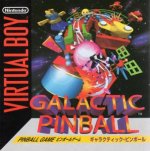
Nintendo Virtual Boy games are not region locked so will play on any console.
yes
yes

|
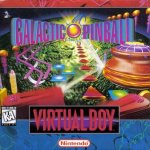
Nintendo Virtual Boy games are not region locked so will play on any console.
yes
yes
|
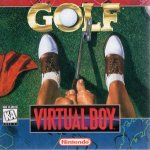
Nintendo Virtual Boy games are not region locked so will play on any console.
yes
yes
|
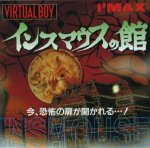
Nintendo Virtual Boy games are not region locked so will play on any console.
yes
yes
|
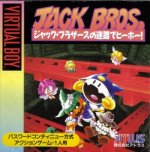
Nintendo Virtual Boy games are not region locked so will play on any console.
yes
yes
|
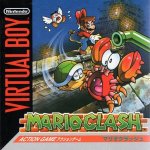
Nintendo Virtual Boy games are not region locked so will play on any console.
yes
yes
|
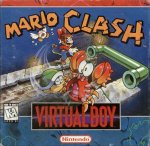
Nintendo Virtual Boy games are not region locked so will play on any console.
This game is missing its instruction book
yes
no
|
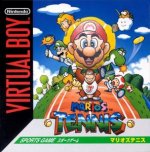
Nintendo Virtual Boy games are not region locked so will play on any console.
yes
yes
|
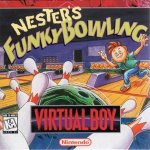
Nintendo Virtual Boy games are not region locked so will play on any console.
yes
yes
|
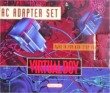 The official Nintendo Virtual Boy AC Adapter. Although the Virtual Boy comes with a battery pack, its life expectancy isn't very long. Thankfully, you can purchase an AC Adapter to have an endless power supply! This item is unboxed and fully working. This item is for use with the US Virtual Boy only and will need an adapter to work on a UK power...
yes
yes
|
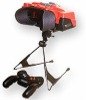 The Nintendo Virtual Boy console. The very rare American release of the Nintendo Virtual Boy. Comes in full working order with all parts and working stand. I can also include the power supply & adapter if this is needed - please ask when ordering if you need this addition. This console will play both US & Japanese Virtual Boy games. The...
no
no
|
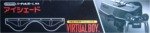
The official Nintendo Virtual Boy Eye Guard replacement. Bought a Virtual Boy without the eye guard? It's rubbish isn't it?! Add this funky eye guard and enjoy 3D imagery as it should be. Fits any console - US or Japanese. This item is boxed and brand new, although the box is a tad creased.
yes
yes
£25
|

The official Nintendo Virtual Boy Headphones. For the completist or someone who just wants to give the missus some peace and quiet, official Nintendo headphones. This is the Japanese box but the headphones should work with any console, Japanese or US. This item is boxed, tested and works fine.
yes
yes
|
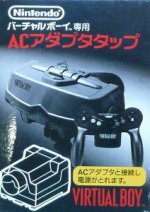
The Nintendo Virtual Boy AC Adapter. This is a little adapter that replaces the battery pack on your Virtual Boy and allows you to use the power adapter from the Super Famicom instead. Does not include the Super Famicom power adapter, this needs to be bought separately. This item is boxed and tested.
yes
yes
|
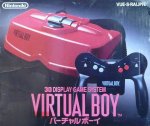
The Nintendo Virtual Boy console. The Japanese release of the Nintendo Virtual Boy. Comes in full working order with all parts and working stand.. This console will play both US & Japanese Virtual Boy games. The console is boxed with instructions and has been tested and works fine.
yes
yes
|
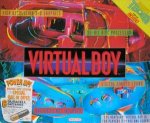
The Nintendo Virtual Boy console. The American release of the Nintendo Virtual Boy. Comes in full working order with all parts and working stand. This console will play both US & Japanese Virtual Boy games. The console comes with Mario Tennis game, is boxed and has been tested and works fine.
yes
yes
|
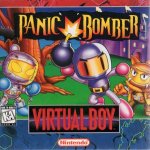
Nintendo Virtual Boy games are not region locked so will play on any console.
yes
yes
|
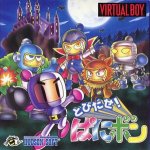
Nintendo Virtual Boy games are not region locked so will play on any console.
yes
yes
|
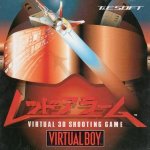
Nintendo Virtual Boy games are not region locked so will play on any console.
yes
yes
|
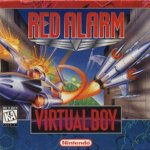
Nintendo Virtual Boy games are not region locked so will play on any console.
The box is a little squashed
yes
yes
|
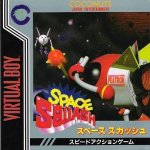
Nintendo Virtual Boy games are not region locked so will play on any console.
yes
yes
|
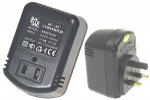
A stepdown transformer to convert 240V to 110V, allowing imported games consoles to be used with a UK power supply. Can be used with any US or Japanese games console. This stepdown has UK plug connector type so it cannot be used in Europe without an adapter. Items is brand new and boxed.
yes
no
|
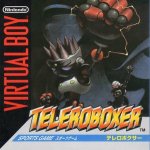
Nintendo Virtual Boy games are not region locked so will play on any console.
yes
yes
|
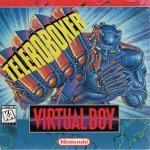
Nintendo Virtual Boy games are not region locked so will play on any console.
yes
yes
|
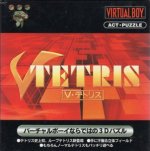
Nintendo Virtual Boy games are not region locked so will play on any console.
yes
yes
|
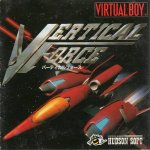
Nintendo Virtual Boy games are not region locked so will play on any console.
yes
yes
|







Log on
Facebook Log on
One-click login with your Facebook account

 Save time Save time | |
| One-click login |
x
Just In!
|
- Nintendo Virtual Boy

The official Nintendo Virtual Boy Eye Guard replacement. Bought a Virtual Boy without the eye guard? It's rubbish isn't it?! Add this funky eye guard and enjoy 3D imagery as it should be. Fits any console - US or Japanese. This item is...
|